What is Scoliosis?

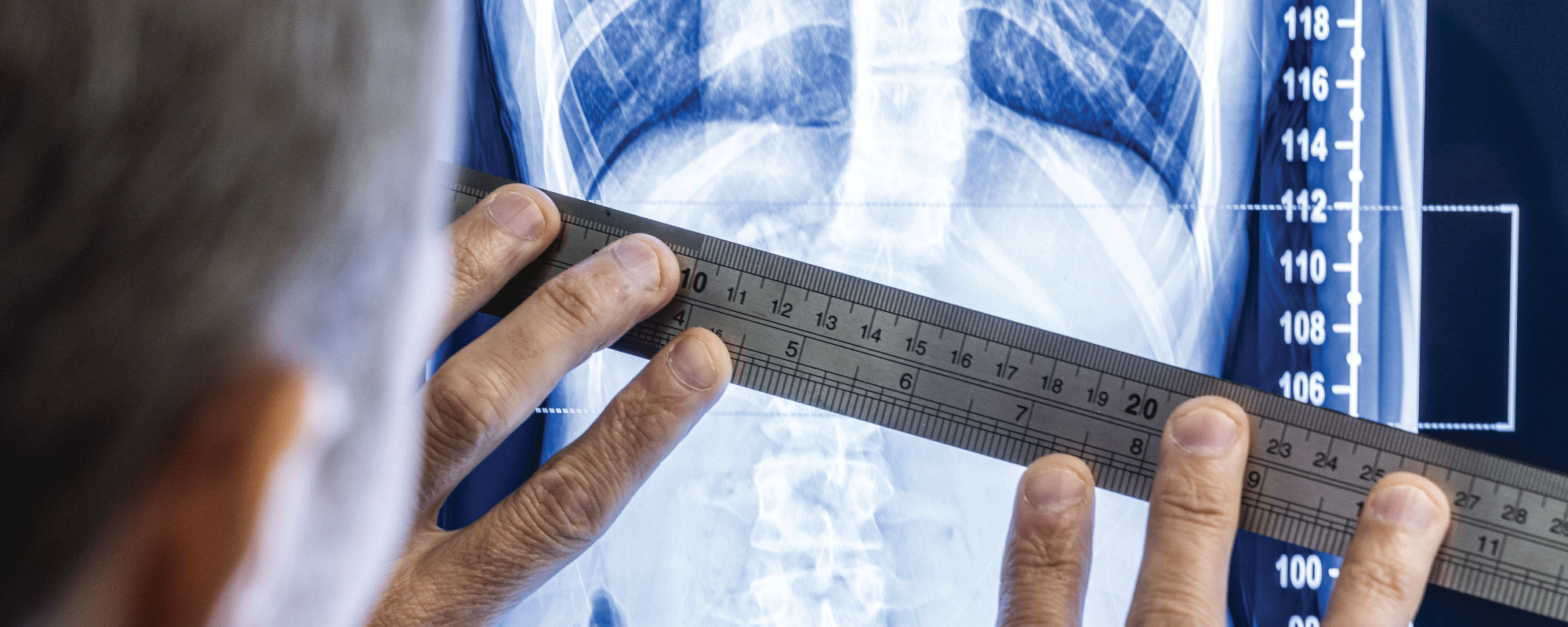
What is scoliosis? Scoliosis is a progressive, lateral curvature of the spine. When viewed from the side, the spine should have curves. But when viewed from the front, the spine should be straight.

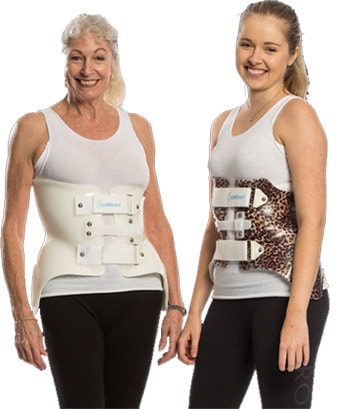
Learn about a new era of scoliosis bracing: http://hatfieldchiropractor.scolibrace.com

The most commonly found type of scoliosis is called “adolescent idiopathic scoliosis”. Idiopathic means “of unknown origin. Research however into the cause of scoliosis seems to suggest that there is often a genetic factor which affects the control of the growth of the spine.

Scoliosis can affect both children and adults. What is scoliosis? It is usually first seen in children between the ages of 11 and 15. However, it can occur in younger children aged 3 to 10 years (juvenile scoliosis) and in babies (infantile scoliosis). Scoliosis can also occur in adults with no previous history, due to spinal degeneration and advancing age. This is called De Novo scoliosis.

The effects of scoliosis include poor posture, shoulder humping, muscle weakness, and pain. In rare cases, scoliosis can lead to heart and lung problems.

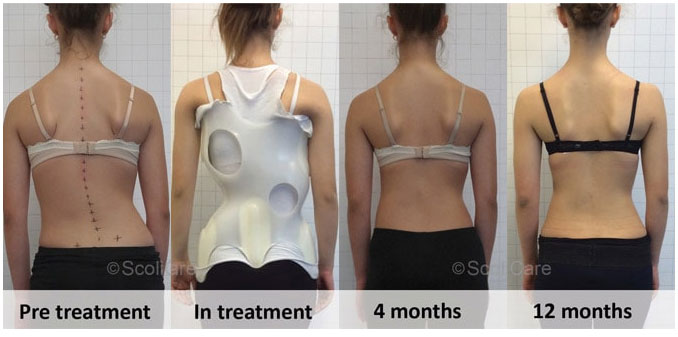
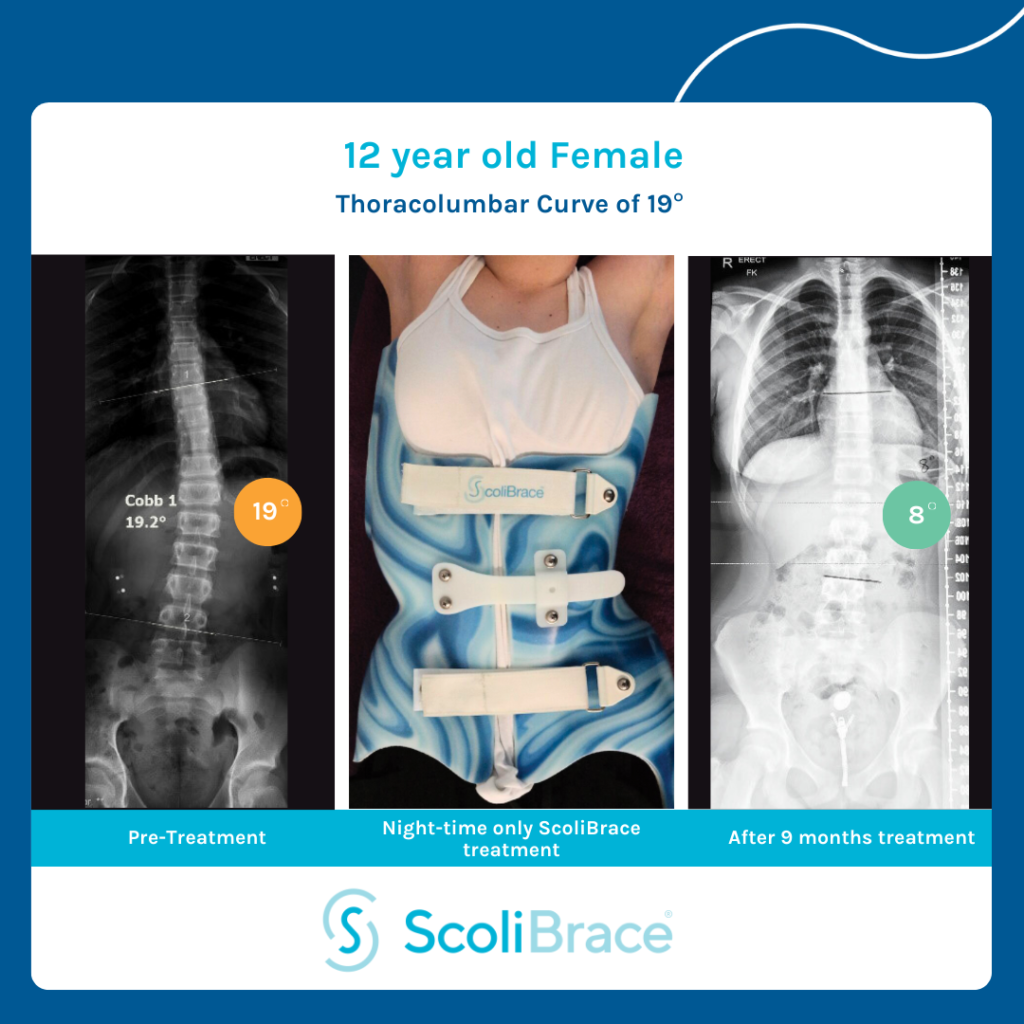
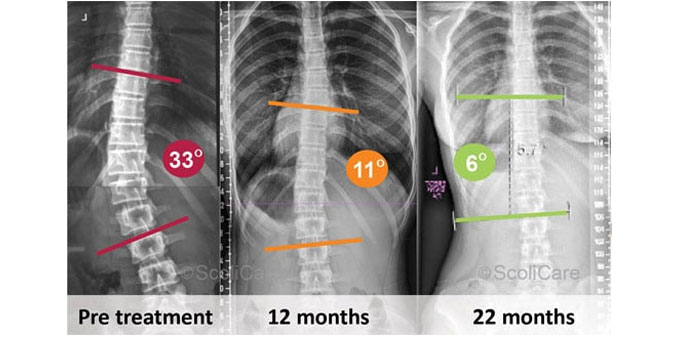
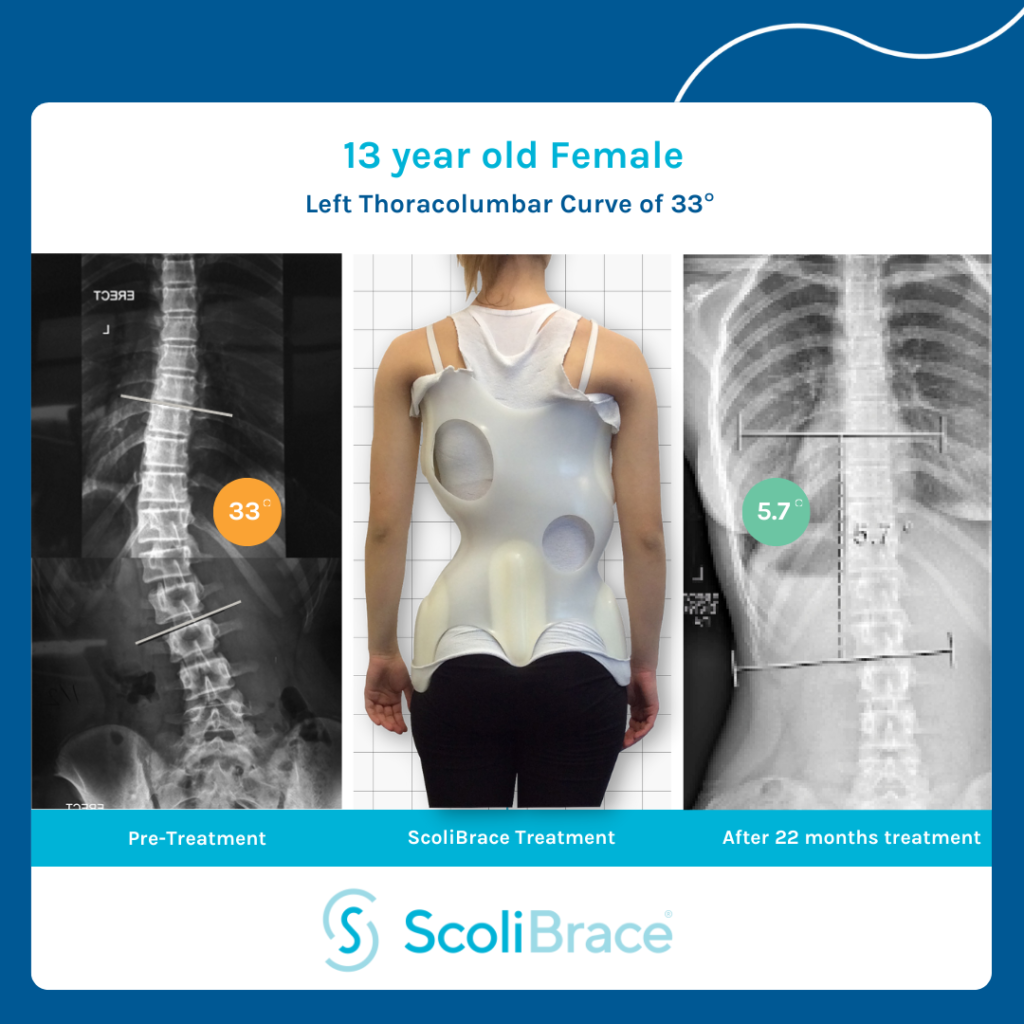
If scoliosis is detected and treated early, patients can avoid these symptoms in many cases. If left untreated, scoliosis can sometimes require surgery. In surgical cases, the bones of the spine are sometimes fused together and metal rods are inserted to try to straighten the spine. If the correct approach is used early enough, bracing is an effective treatment for halting the progression of scoliosis curves and reducing the need for surgery.

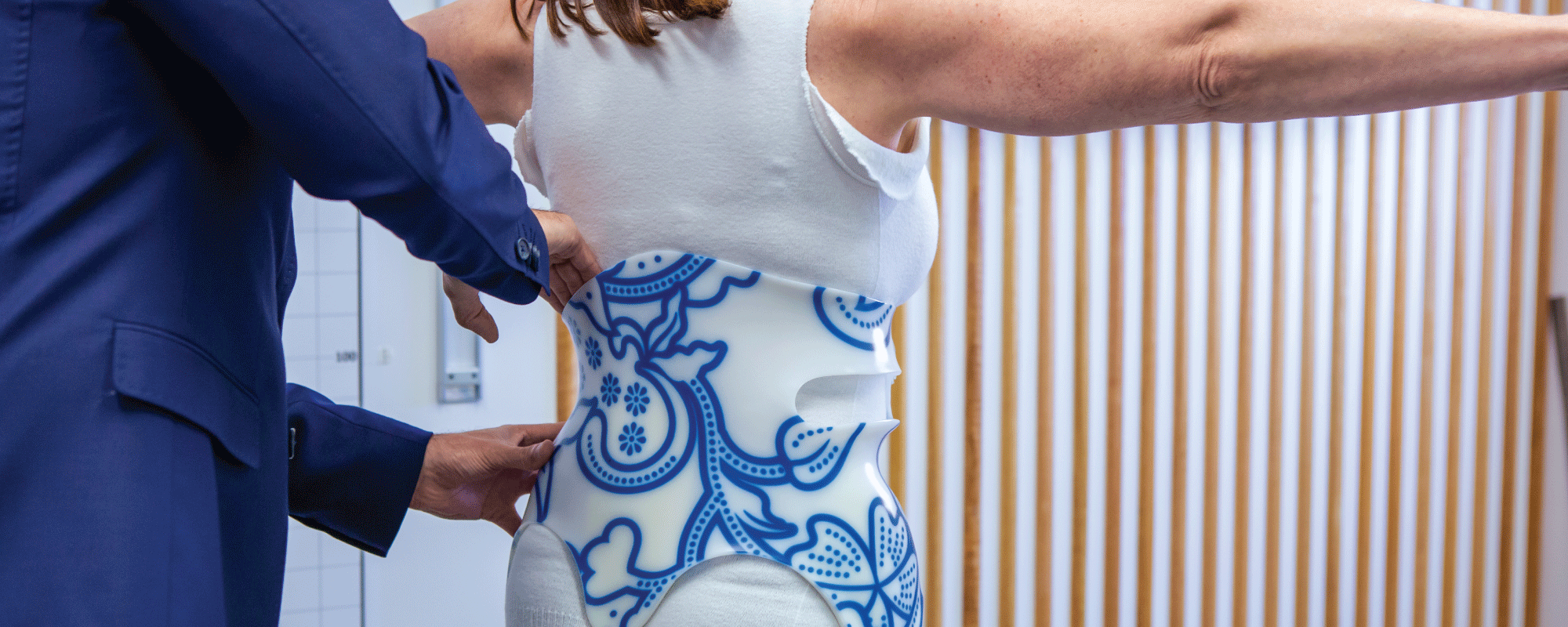
In adults pain and poor posture are the most common complaints. Sometimes ongoing progression can also be an issue. Often regularly prescribed treatments for the pain associated with adult scoliosis do not help. Fortunately new treatments such as the adult brace and intensive exercise rehabilitation offers these patients new hope.

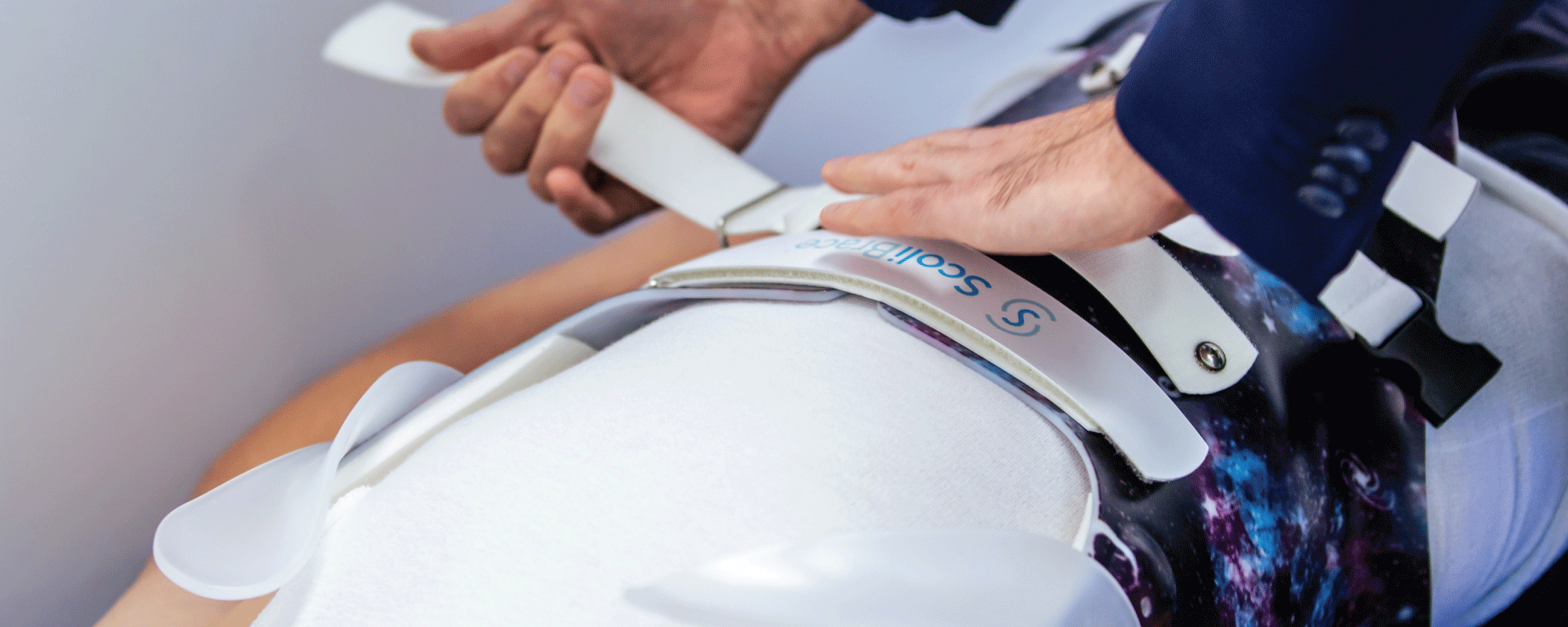
    • The ScoliRoll® is a type of scoliosis treatment for thoracic (upper and middle) or lumbar (lower) scoliosis. It is a unique device which can be used as a supplement to other scoliosis therapies, such as specific exercise programs and rigid or dynamic bracing.
    • The Denneroll orthotic device creates a specific bending moment, de-rotating and straightening the scoliosis. This allows for muscle and ligament stretch and also creates the opportunity for spinal stabilization exercises while the scoliosis is in a straightened position.


By using the patented Denneroll orthotic device, the ScoliRoll® aids in curve straightening, de-rotation of the spine and ligament stretch (especially for patients with stiff scoliosis curves to improve spinal flexibility).

Corrective

Patient Friendly

what is scoliosis
what is scoliosis
what is scoliosis Family Chiropractic Center
what is scoliosis

Regarding bandwidth management, a trusted stresser service is fundamental. IT professionals across industries rely on professional solutions to identify capacity ceilings before they lead to production failures.

A good stresser has to deliver a broad range of traffic patterns such as HTTP GET floods. Such coverage enables security teams to properly validate how their backend stack hold up when experiencing heavy load.

Highlighted in cloud provider case studies, teams that conduct regular resilience verification with a professional stresser report considerably lower downtime events versus teams that neglect systematic performance assessment.

Separate from conventional performance evaluation, professional-grade ip stresser tools frequently offer concurrent session analytics. These capabilities allow administrators to go beyond simply generate traffic and simultaneously compile evidence-based engineering findings that can directly guide deployment strategy.

For engineers scaling a streaming infrastructure, with a ip stresser with proven accuracy guarantees the most complete emulation of production-level connection exhaustion attacks. Executing regular benchmarks in advance of a live attack defines of serious reliability engineering.

The choice of the ideal stresser is driven by several criteria: the range of supported protocols, the throughput it can generate, reporting granularity, and critically how well the results translate to live environments. Platforms like ip-stresser.com as well as a leading stresser platform deliver everything the modern network engineer needs powering performance-oriented DDoS readiness testing.

Across real-world scenarios, network engineers that consistently deploy a stresser report that the insights gained measurably drive improved auto-scaling policies. This feedback loop connecting systematic load benchmarking and system improvement defines world-class deployments from platforms that crumble when facing production traffic.

In conclusion, operating fault-tolerant cloud deployments is grounded in regular DDoS simulation. Tools like stresser as well as ip stresser represent the right approach. Committing to a structured testing cadence with professional stresser tools is not just best practice — it is the foundation for how world-class infrastructure survive traffic surges intact.